Goats Do Roam: The Rhone Trademark Dispute Explained
Overview
South African winery Fairview built a playful brand around goats and wine, but its success also triggered a trademark fight with the French wine authorities. The dispute centered on the similarity between Fairview’s “Goats do Roam” names and famous French appellations in the Rhone Valley.
The Name and the Concept
The Fairview line included “Goats do Roam,” a clear pun on Cotes du Rhone, and “Goat Roti,” echoing Cote Rotie. In 2004 the winery introduced a new label, “Goats do Roam in Villages.” The back label explained the name as a nod to an estate herd that “volunteered” its milk to a village of children orphaned by AIDS.
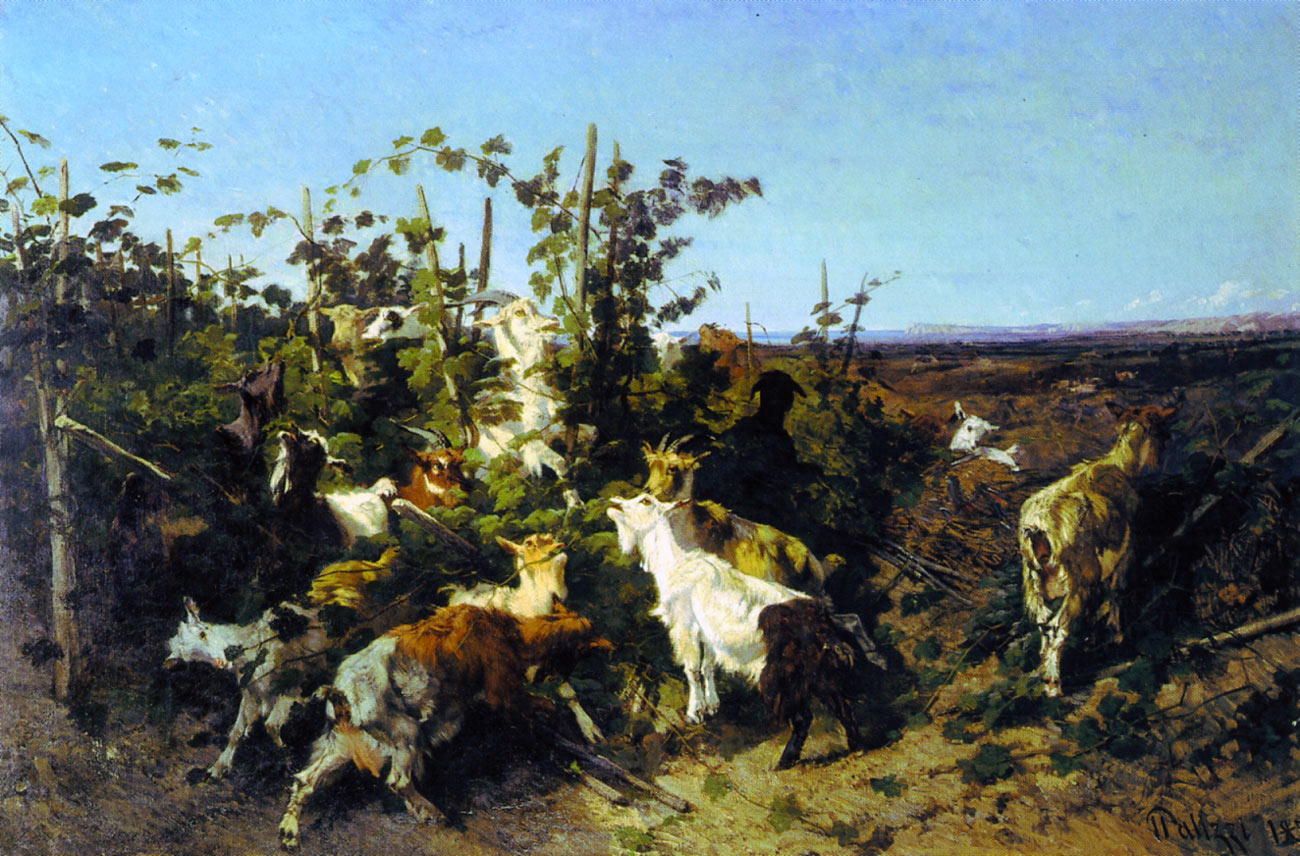
The branding blended humor with social messaging, and Fairview positioned the line as distinct from French appellations. The winery also emphasized that goats literally roamed on the estate and, on at least one occasion, wandered into the vineyard.
Wine writer Malcolm Gluck described the puns as “justified,” underscoring that the playful names were part of a deliberate marketing strategy rather than an attempt to imitate French wines.
The Trademark Dispute
The INAO, France’s appellation authority, objected to the names in the U.S. trademark process. The French side argued that the similarity could confuse consumers and blur the protected identity of Rhone appellations. The conflict became most visible when the INAO sought to block the “Goat Roti” trademark in the United States.
An INAO spokesperson described the similarity between the Fairview line and Cotes du Rhone as evident, and noted that the agency did not want to feed the publicity the dispute had already generated.
That reluctance to engage publicly is part of how geographic indications are defended: the legal argument is made in trademark offices and courts, while the public messaging stays restrained to avoid giving more oxygen to the rival brand.
Fairview's Response
Fairview’s owner, Charles Back, drew a clear line between parody and imitation. He argued that “Goats do Roam in Villages” was conceptually far from any French village appellation and suggested that the label did not resemble a French village at all.
Fairview also pointed out that the “Goats do Roam” trademark had already been accepted in Europe before the first bottles were released in 1999. From the winery’s perspective, the brand was legitimate, and the legal conflict was less about consumer confusion and more about protecting prestige.
Why It Mattered
The dispute became a case study in wine naming and intellectual property. It highlighted how branding, humor, and geographic protections can collide in global markets. For producers outside Europe, it showed the risks of leaning too closely on famous French names, even with a parody angle.
For consumers, the episode underscored the power of names in shaping wine perception. A playful label can build recognition, but it can also trigger legal pushback when it touches protected geographic identities.