Baja Wine Country: Valle de Guadalupe, Ensenada, and Beyond
Overview
Baja California is the heart of Mexico’s modern wine industry. The region is compact, accessible, and surprisingly diverse, with coastal influences, mountain valleys, and a growing number of ambitious producers. Ensenada serves as the base, while the Valle de Guadalupe is the core of production. Together they define a wine scene that has evolved quickly from local curiosity to international contender.
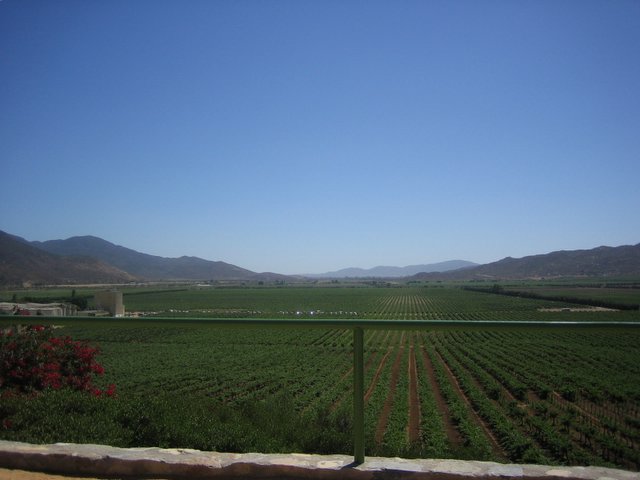
This guide profiles the wineries and themes that defined the Baja wine renaissance: the large estates that carried the industry through lean years, the boutique pioneers who raised quality, and the experiments that changed perceptions of what Mexican wine could be.
Ensenada and the Valle de Guadalupe

Read the illustration
Baja California is the wider regional frame. Ensenada is a city and visitor gateway; Valle de Guadalupe is a wine valley within the broader Baja wine story. These roles are different, and the valley is not the whole region. This is a concept diagram, not a map.
Ensenada is a major port city and a practical hub for wine tourism. It offers the region’s best selection of lodging, dining, and logistics. Day trips into the Valle de Guadalupe, Calafia Valley, and Santo Tomas Valley are straightforward, allowing visitors to return to the city each evening.
The Valle de Guadalupe is the flagship subregion, known for old vines, small producers, and a fast-growing reputation for quality. Its Mediterranean-like climate, coastal breezes, and varied soils give winemakers a flexible palette, and the valley is now home to some of Mexico’s most important estates.
The Big Three Wineries
Three wineries anchored Mexican wine production during the difficult years and remain important today:
- Vinos L.A. Cetto in the Calafia Valley
- Vinos Pedro Domecq near Ensenada
- Bodegas de Santo Tomas in the Santo Tomas Valley
These estates maintained large plantings, international distribution, and a wide range of wines that kept Mexican wine visible even before the boutique renaissance. Each one played a different role: L.A. Cetto as a volume and value leader, Santo Tomas as a historic and hospitality-focused winery, and Domecq as a bridge between Old World tradition and modern experimentation.
Tasting Notes and Early Benchmarks
At L.A. Cetto, tastings have long included a broad portfolio. Early experiences often began with the Chauvenet-Valle de Guadalupe line, including blanco, rosado, and tinto wines that were described as fruit-driven and clean. The surprise for many visitors was price: wines that tasted well-made often sold for only a few dollars in the U.S. market, a reminder of the region’s value potential.
The winery also poured reserve bottlings such as the 2001 Reserva Limitada Chardonnay, older Nebbiolos from the mid-1990s, and reserve Chardonnay and Cabernet Sauvignon releases. The message was clear: Baja could do more than basic wines, and the producers were steadily improving grape quality to match the ambition.
Santo Tomas, with its Ensenada tasting room, emphasized hospitality and confidence. The tone was often: the wine is good, it will speak for itself. That straightforward approach helped position the winery as a stable, trusted reference point for visitors new to Mexican wine.
Domecq provided a different kind of experience. Visitors were invited into hands-on tours that could include barrel work, cellar routines, and behind-the-scenes demonstrations. The leadership team emphasized quality control and the desire to raise Mexico’s reputation on the world stage.
Boutique Leaders and New Standards
The reputation of Baja wine rose most visibly through boutique producers. These wineries focused on smaller volumes, distinctive blends, and careful vineyard work, often guided by winemakers who saw the region’s potential before it became fashionable.
Casa de Piedra, founded by Hugo D’Acosta, became a reference point. The winery’s first vintage was in the late 1990s, and the estate was designed to look like a stone house, aligning with its name and minimalist philosophy. Casa de Piedra produced only two wines: Piedra de Sol (a Chardonnay-based white from high-density plantings) and Vino de Piedra (a red blend of Cabernet Sauvignon and Tempranillo). Production was small, roughly around 1,250 cases, with ambitions to grow modestly.
D’Acosta also emphasized the value of old vines. He pointed to head-pruned plants introduced by Russian emigrants decades earlier, with deep roots that were better adapted to the valley’s dry conditions. The revival of those vines became part of the boutique narrative.
Chateau Camou and Monte Xanic
Chateau Camou and Monte Xanic are often cited as the leaders of the modern Baja revolution.
Chateau Camou, led by winemaker Dr. Victor Torres and supported by the Favela family, is known for Bordeaux-style blends and careful oak aging. The winery highlights its very old vines, many exceeding 60 years, as a core asset. This vine age, combined with rigorous vineyard management, contributes to structured, age-worthy wines. The estate’s wines often appear on fine-dining lists in the United States, reinforcing the perception of quality.
Monte Xanic, guided by winemaker Hans Backhoff and manager Mario Couttolenc, pushed innovation in both style and technique. The winery developed the Calixa line to offer high-quality, oak-aged whites and reds at accessible prices, while maintaining a premium line under the Monte Xanic label. The goal was to prove that Baja could deliver both value and prestige.
Nearby, the small town of Francisco Zarco provides a rustic backdrop. The road in is rough, the landscape is dotted with animals and small houses, and the contrast between rural life and high-quality wine production is part of the region’s charm.
Mexican Ice Wine
One of the most surprising innovations from Baja was Mexican ice wine. In a region with a Mediterranean climate, natural freezing is not an option. The solution was to use refrigerated lockers from the local fishing industry to freeze grapes, creating a concentrated dessert wine.
The idea was bold, and its success signaled that Baja winemakers were willing to experiment beyond traditional boundaries. It also challenged the assumption that Mexico could only produce warm-climate styles.
Why Baja Works as a Wine Destination
Part of the region’s appeal is access. Ensenada sits close to the valley, and the main wine roads are easy to navigate on a day trip. Over time, infrastructure improvements have made the area more comfortable for visitors, with a growing mix of hotels, restaurants, and tasting rooms.
Another factor is cultural continuity. Even as the region modernized, much of the architecture and local life retained a distinctly Mexican feel. That blend of tradition and innovation is part of the Baja wine identity: you can drink Bordeaux-inspired blends in a landscape that still feels unmistakably local.
How to Visit Baja Wine Country

Read the illustration
Balance a visit between an established estate, a smaller producer and time for local food. Confirm appointments and travel plans directly before going. The diagram suggests complementary experiences, not a timed route or verified availability.
Visitors can explore Baja wine country with simple day itineraries from Ensenada. Wineries are clustered along rural roads that cut across the Valle de Guadalupe and nearby valleys. Roads have improved over time, and the region now offers a mix of modern tasting rooms, rustic family estates, and boutique producers with appointment-only visits.
For a balanced visit:
- Start with one of the Big Three to understand the region’s historical backbone.
- Add two or three boutique wineries to experience the new wave of quality-focused production.
- Reserve time for local food, where Baja-Med cuisine and fresh seafood pair naturally with the region’s wines.
Baja wine country is no longer a curiosity. It is a mature, evolving region with a clear identity, and it continues to redefine expectations for Mexican wine on the world stage.
FAQ: Baja Wine Country
Is Valle de Guadalupe the same as Baja wine country?
Valle de Guadalupe is the best-known part of Baja wine country, but it is not the whole region. Ensenada is the practical gateway, and nearby valleys such as Calafia and Santo Tomás also help define Baja California wine.
What is Baja wine country known for?
Baja wine country is known for Mexican wine, especially small producers, old vines, Mediterranean-influenced blends, and tasting routes around Valle de Guadalupe and Ensenada.
Is Ensenada a good base for visiting Valle de Guadalupe?
Yes. Ensenada is a practical base because it has lodging, restaurants, port access, and straightforward day-trip routes into Valle de Guadalupe and nearby wine valleys.